
How does Death Note end is one of the most frequently asked questions by fans of the legendary anime series.
This iconic story captivated audiences worldwide with its thrilling battle of wits between Light Yagami and L, and its deeply philosophical themes about justice, power, and morality.
In this article, we will dive deep into the ending of Death Note, exploring the fates of key characters, and what makes the conclusion so impactful.
Stay with us to uncover how this epic tale concludes, exclusively on KunManga.
How does Death Note end?
The ending of Death Note is one of the most iconic in anime history. After a gripping series of events, where Light Yagami uses the Death Note to eliminate anyone he deems unworthy, the story culminates in a powerful finale.
The battle between Light and the remaining members of the task force, including Near, ultimately leads to a dramatic resolution.
The fate of Light Yagami
By the end of Death Note, Light’s journey takes a tragic turn. His obsession with creating a perfect world through the Death Note leads to his downfall.
Despite being incredibly intelligent, Light’s arrogance and sense of superiority over others make him vulnerable to his ultimate demise.
In the final episode, Ryuk, the Shinigami who originally dropped the Death Note into the human world, writes Light’s name in the Death Note, fulfilling his earlier promise.
This is a poignant moment because it marks the inevitable consequence of Light’s actions: the price of absolute power is the loss of humanity. His death is the culmination of his manipulations and the betrayal of his ideals.
The role of Ryuk in the ending
Ryuk, the Shinigami who watches over Light throughout the series, plays a crucial role in the ending of Death Note.
He is the one who writes Light’s name in the Death Note, bringing an end to Light’s reign of terror. Throughout the series, Ryuk is a neutral observer, not intervening directly in the events but providing Light with the Death Note as a means to amuse himself.
In the end, Ryuk fulfills his promise to Light, showing that even gods of death have a sense of justice, albeit one driven by their own rules.
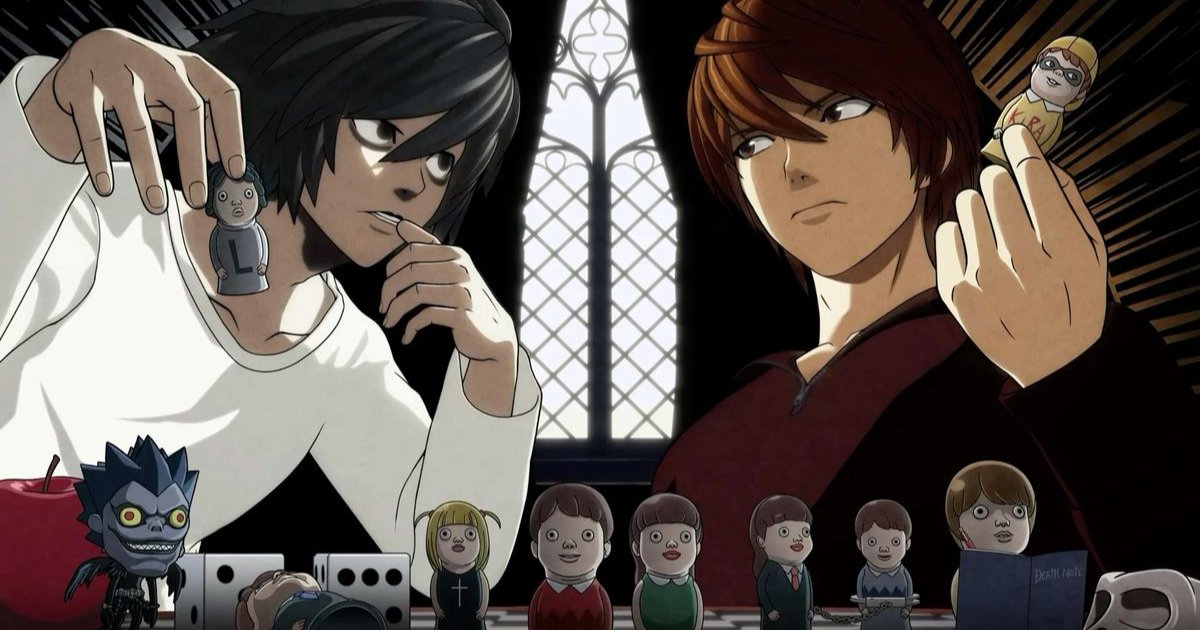
The aftermath of Light’s death
After Light’s death, the world begins to recover from the chaos he caused. The ending of Death Note leaves viewers with a sense of justice served, as Near and the remaining members of the task force succeed in bringing down Kira (Light’s alter ego).
If you’re wondering what is Death Note about, this theme of justice and morality is central to the series, driving its complex narrative and thought-provoking conclusion.
Near’s victory over Light
Near’s victory is not just a personal triumph but a collective one. The task force, with Near at the helm, worked tirelessly to catch Light, and in the end, their perseverance pays off.
Near’s intelligence and ability to outsmart Light are key to his success. Despite the intense psychological warfare between the two, Near’s methodical approach ultimately leads to Light’s exposure and death.
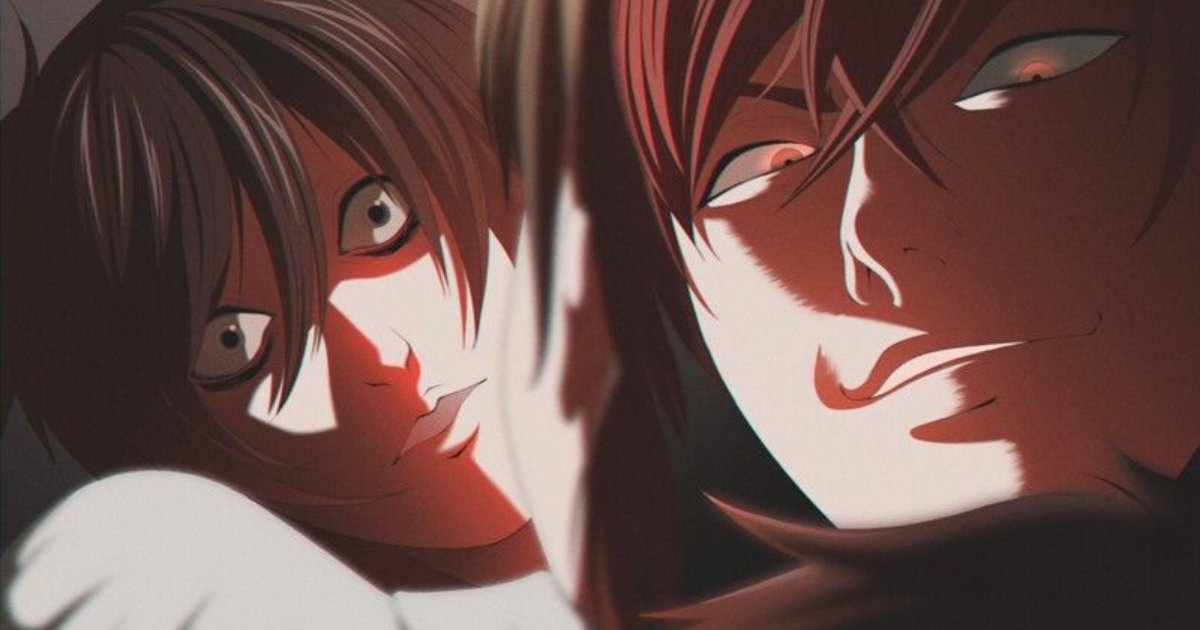
The philosophical questions raised by the ending
The end of Death Note raises important philosophical questions about morality, justice, and the human desire for control.
Light’s belief in his ability to shape the world into a utopia ultimately proves to be flawed, as his vision is corrupted by his ego and thirst for power.
The conclusion leaves viewers questioning what true justice is and whether it can ever be achieved through extreme measures.
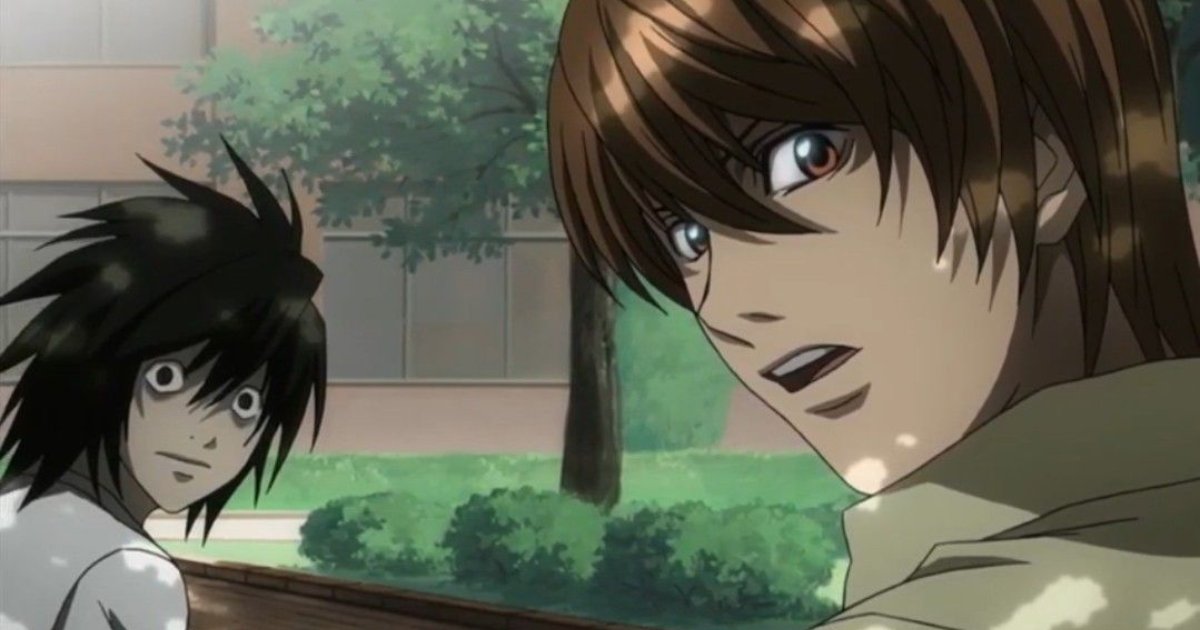
FAQs
Curious about How Does Death Note End? Here are the most frequently asked questions about the conclusion of this iconic anime, from Light’s fate to the deeper meaning of the ending.
Why does Ryuk write Light’s name in the Death Note?
Ryuk writes Light’s name in the Death Note to fulfill the promise he made at the beginning of the series.
Ryuk had warned Light that he would eventually have to write his name when the time was right, and in the end, it was Light’s own actions that led to his downfall.
What happens to Near after Light’s death?
After Light’s death, Near takes the lead in ensuring that justice is served. He continues the work of the task force and is hailed as the one who outsmarted Kira, ultimately restoring order.
Was the ending of Death Note satisfying for fans?
The ending of Death Note was both satisfying and bittersweet for many fans.
While Light’s death represents the fall of a character who believed in his own righteousness, it also presents a deeper message about the dangers of absolute power and the consequences of unchecked ambition.
What is the significance of the Death Note’s ending?
The ending of Death Note is significant because it reinforces the theme of justice and the cost of pursuing it through extreme measures.
Light’s death marks the end of his twisted pursuit of a perfect world and the restoration of balance.
How does the ending affect the characters in Death Note?
The ending affects the characters in different ways. While Near and the task force members find closure, the events leave them questioning the nature of justice.
The world is left to rebuild after the chaos caused by Kira’s actions.
What message does Death Note convey through its ending?
Through its ending, Death Note conveys a powerful message about the dangers of unchecked power and the consequences of manipulating others in the name of justice.
The series ultimately asks whether it’s possible to create a just world without becoming corrupt in the process.
In conclusion, how does Death Note end is a question that leads to a conclusion filled with both justice and tragedy.
The demise of Light Yagami, the rise of Near, and the ultimate message about justice and morality leave a lasting impact on viewers.
If you haven’t already, make sure to explore the world of Death Note on KunManga, where we dive deep into the characters, plot twists, and everything that makes this anime an unforgettable experience.
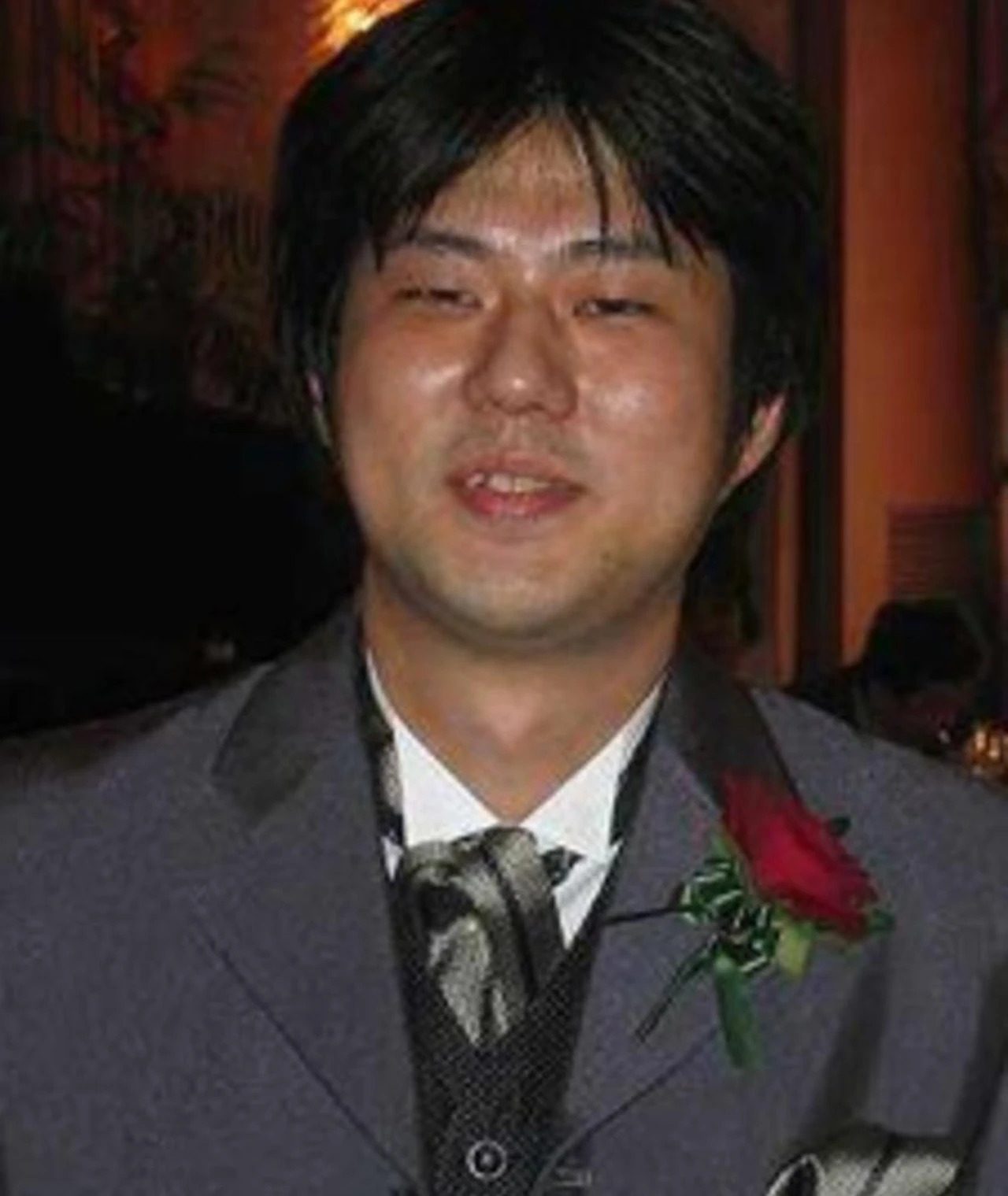
Eiichiro Oda is the creator of the legendary manga series One Piece, one of the most popular comic books in the world. Born in 1975 in Japan, he is known for his ability to build vast worlds, emotional characters and inspiring stories about dreams, friendship and freedom.