
Daki is 18 years old in Demon Slayer, and her young appearance contrasts with her deadly experience and powerful status as an Upper Rank demon in the Entertainment District arc.
Daki’s age matters because it shows that in Demon Slayer a demon’s youthful appearance can hide decades of experience and growing danger.
It also helps explain her dominant, manipulative personality and how she uses beauty and deception to control fights and people.
Want to know more details about How old is Daki from Demon Slayer? Read the full article below on KunManga.
How old is Daki from Demon Slayer?
Daki’s age is 18 years old when she appears in Demon Slayer. She is introduced as a powerful Upper Rank demon and plays a major role in the Entertainment District arc.
Despite her youthful appearance, Daki is already a mature and dangerous villain with a long history of violence and manipulation.
Daki’s age matters because it highlights how demons can keep a young body while being extremely experienced and deadly. Her youth also creates a strong contrast with her cruelty, making her one of the most chilling villains in Demon Slayer.
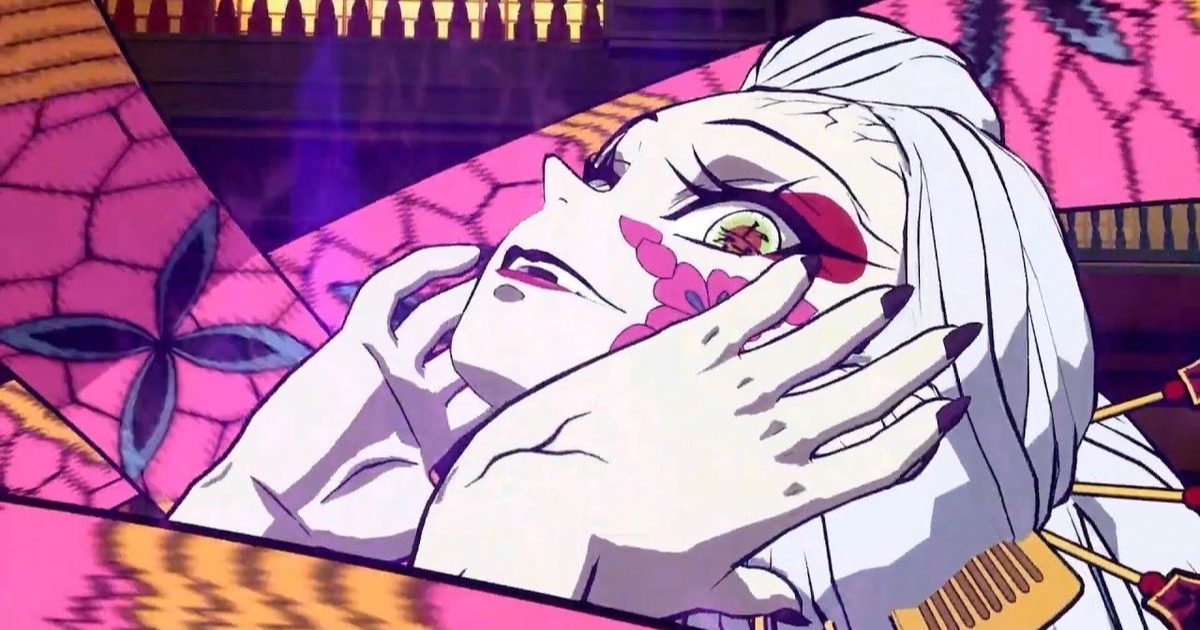
Why Daki’s age is important in Demon Slayer
Daki’s age is an important detail in Demon Slayer because it highlights a key truth about demons: their appearance does not match their real experience. At first glance, Daki looks like a young woman, which can make fans underestimate her.
However, her youthful look is misleading because demons in this world can freeze their bodies at a certain age. That means Daki can remain physically young while still carrying years of power and battle experience.
This contrast between appearance and reality is what makes Daki such a compelling villain. While she looks like a teenager, she behaves with the confidence and cruelty of someone who has lived through countless fights.
This shows that age in Demon Slayer is not a measure of strength. Instead, the longer a demon survives, the more dangerous they become.
For Daki, her age becomes a symbol of hidden power, reminding viewers that demons are not limited by normal human rules.
Daki’s age also matters because it reveals more about her relationship with her brother, Gyutaro. The two siblings are close in age, but Daki is usually the one who takes control. She acts more dominant and often manipulates situations to her advantage.
This sibling dynamic is important because it shows how Daki’s personality was shaped by survival and ambition. Her age helps explain why she feels entitled to power and why she treats others with such coldness.
In short, Daki’s age is not just a number; it is a clue to her true nature and the dangerous reality behind her appearance.

How Daki became ao powerful at 18
Even at 18, Daki becomes an Upper Rank demon because she has strong blood demon art and a ruthless mindset. Her ability to control fabric and use it as a weapon makes her extremely dangerous in battle.
Daki is also clever and manipulative, which allows her to hide her true strength from others until it is too late.
In the Entertainment District arc, Daki’s fighting style shows how fast and deadly she can be. Her attacks are not only powerful but also precise, making it difficult for the Demon Slayers to predict her moves.
This is why Daki becomes one of the most memorable villains in the series.
Even though Daki looks young, her strength comes from a long, brutal period of survival as an Upper Rank demon, not from being “powerful at 18.”
In Demon Slayer, demons can keep a youthful body while gaining decades of combat experience, and Daki uses that advantage to hunt efficiently and avoid risks.
Her Blood Demon Art, which manipulates obi sashes like living blades and restraints, is dangerous because it works at both close and mid range, allowing her to attack, capture, and kill without exposing her core body.
Daki also becomes formidable through strategy, not just force. She hides in plain sight, controls information in the Entertainment District, and picks fights only when conditions favor her.
In battle, her speed and precision make her hard to read, and her constant pressure forces Demon Slayers to defend perfectly while searching for a tiny opening.
That mix of ability, experience, and manipulation is why she stands out as one of the arc’s most memorable villains.
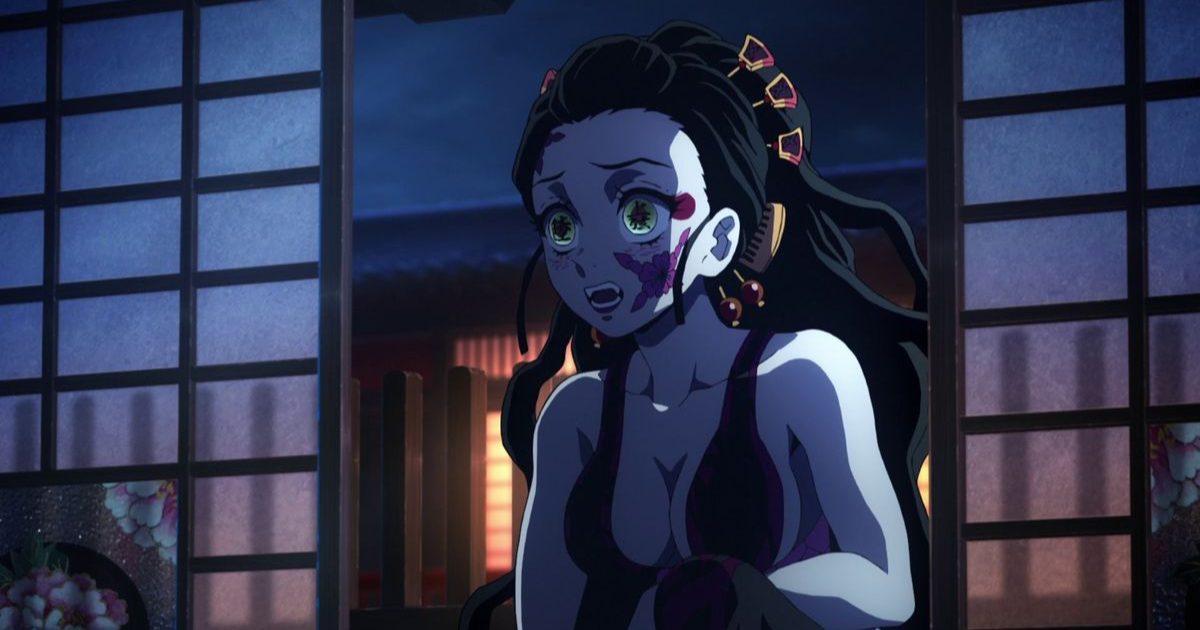
What makes Daki different from other demons
Daki stands out because she uses charm and beauty as part of her strength. She appears graceful and elegant, but her true personality is cruel and violent. This duality makes her a unique antagonist in Demon Slayer.
Unlike many demons who rely on brute force, Daki uses strategy and deception.
She often tricks people by acting innocent or harmless, then attacks with deadly precision. This makes her one of the most unpredictable enemies in the series.
FAQ – How old is Daki from Demon Slayer?
If you still have questions after learning Daki’s age, this FAQ section will help you understand her role better.
Below, you will find clear answers to How old is Daki from Demon Slayer and other related topics like who wrote Demon Slayer, so you can get a full picture of the character and the story behind her.
Is Daki older than Gyutaro?
No, Daki and Gyutaro are close in age, but Daki is usually shown as the more dominant sibling.
Why does Daki look young if she is powerful?
Demons keep their appearance frozen, so they can stay young while becoming stronger over time.
What rank is Daki in Demon Slayer?
Daki is an Upper Rank demon, one of the strongest enemies in the Entertainment District arc.
Does Daki get stronger after becoming a demon?
Yes, Daki becomes much more powerful as a demon, especially due to her unique blood demon art.
In short, the answer to how old is Daki from Demon Slayer is 18 years old. Her young age combined with her brutal strength makes her one of the most dangerous and memorable villains in the series.
If you want to explore more Demon Slayer facts, character profiles, and manga insights, read more stories at KunManga.

David Laid is part of the KunManga editorial team, focusing on curating fast-moving comic trends and presenting them in a clear, reader-first format. His work prioritizes up-to-date releases, genre discovery, and helping readers quickly decide what to read next across Manga, Manhwa, and Manhua.