
Death Note is good if you enjoy smart psychological mind games and dark moral tension, but it may not suit you if you prefer light, action-first entertainment.
Death Note feels addictive because every episode escalates through clear rules and constant counter-moves, making the story feel like a nonstop chess match.
The suspense comes from logic and psychological pressure, so each new turn creates a fresh vulnerability you want to see resolved.
If you’re asking is Death Note good before you commit, read on KunManga breaks down the real strengths, the real drawbacks, and the best way to start spoiler-free.
Is Death Note good?
Yes, Death Note is good if you like smart mind games, tense moral dilemmas, and fast escalation; it’s less ideal if you want light entertainment or action-first storytelling.
It’s a strategy thriller where information, manipulation, and proof are the real weapons, so the “action” is mostly psychological rather than physical.
Death Note is widely considered a strong gateway anime/manga because the premise is easy to understand and the stakes ramp quickly. The story is designed to keep you clicking “next” through constant counter-moves and high-risk decisions.
Best fit for:
- People who enjoy detective-style cat-and-mouse stories
- Fans of psychological thrillers and rule-based suspense
- Viewers who like morally gray characters and ethical debates
Maybe skip if you prefer:
- Comfort viewing, comedy-first, or slice-of-life pacing
- Frequent fight scenes as the main appeal
- Clear heroes and simple moral framing
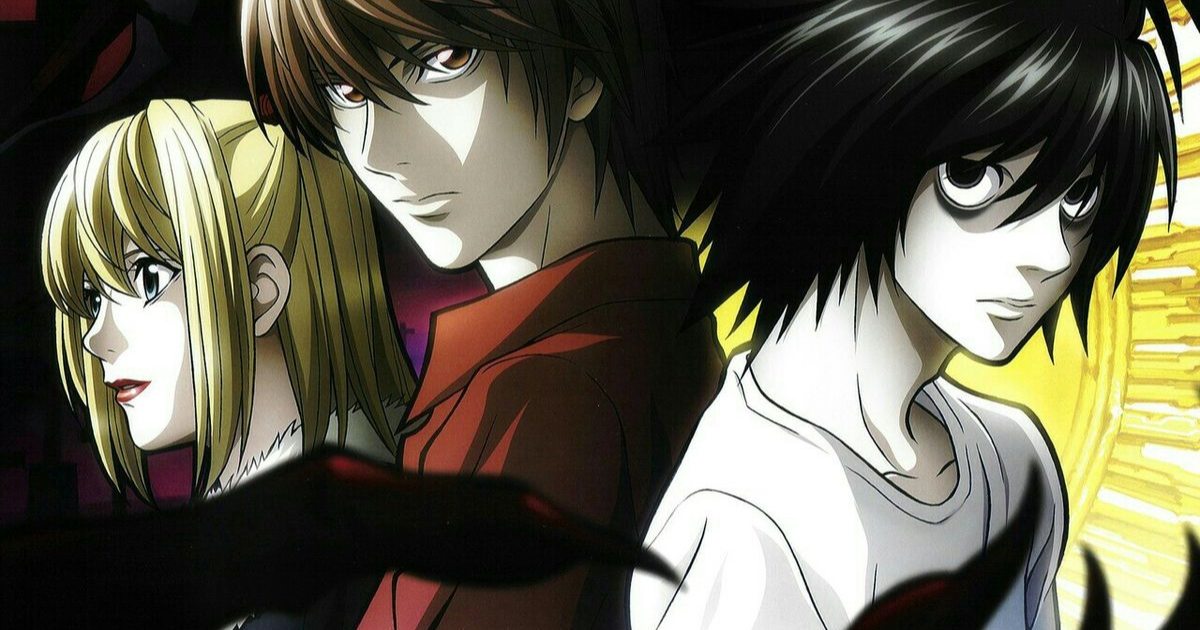
Why Death Note feels so addictive?
Death Note is addictive because every move follows clear rules, so each counter-plan feels like a real chess match and that’s what is Death Note about at its core: A high-stakes battle of wits under constant pressure.
The characters must act with limited information while staying hidden, which keeps the tension high and makes you want to see the next twist.
A premise that hooks instantly
The hook is immediate: a notebook, a rule, and irreversible consequences. Because the power is absolute, even small decisions feel dangerous, and you quickly want to see what the next move will be.
Mind games that reward attention
If you like puzzles, Death Note pays you back for staying focused. The best moments come from tiny details and shifts in knowledge—what one character knows, what they can prove, and what they can bait the other side into revealing.
Moral tension that drives discussion
Death Note doesn’t just ask “can someone do this?” It asks “what does this do to a person?” and “what does it do to society?” That is why the is Death Note good debate lasts; people don’t just remember scenes, they argue about the meaning behind them.

What some viewers dislike about Death Note
Some viewers don’t enjoy Death Note because it can be narration-heavy, morally dark, and structurally different later in the story; even though the writing remains strategic. These points are worth knowing upfront so you don’t go in with the wrong expectations.
If you expect constant physical action or a warm, comedic ensemble vibe, Death Note can feel intense and cerebral instead.
It can be talky and logic-dense
Characters often explain strategy and think through options in detail. For many fans, this is the thrill; for others, it feels like too much monologue.
The tone is dark and morally abrasive
The series leans into manipulation, paranoia, and ethically uncomfortable decisions. If you prefer uplifting arcs or straightforward hero stories, this may not be your preferred flavor.
The pacing and “shape” of the conflict changes later
A common reaction is that the later stretch feels different in rhythm and structure. Some viewers love the expanded chessboard; others miss the tight early dynamic. If you expect change rather than repetition, you’re more likely to stay engaged.
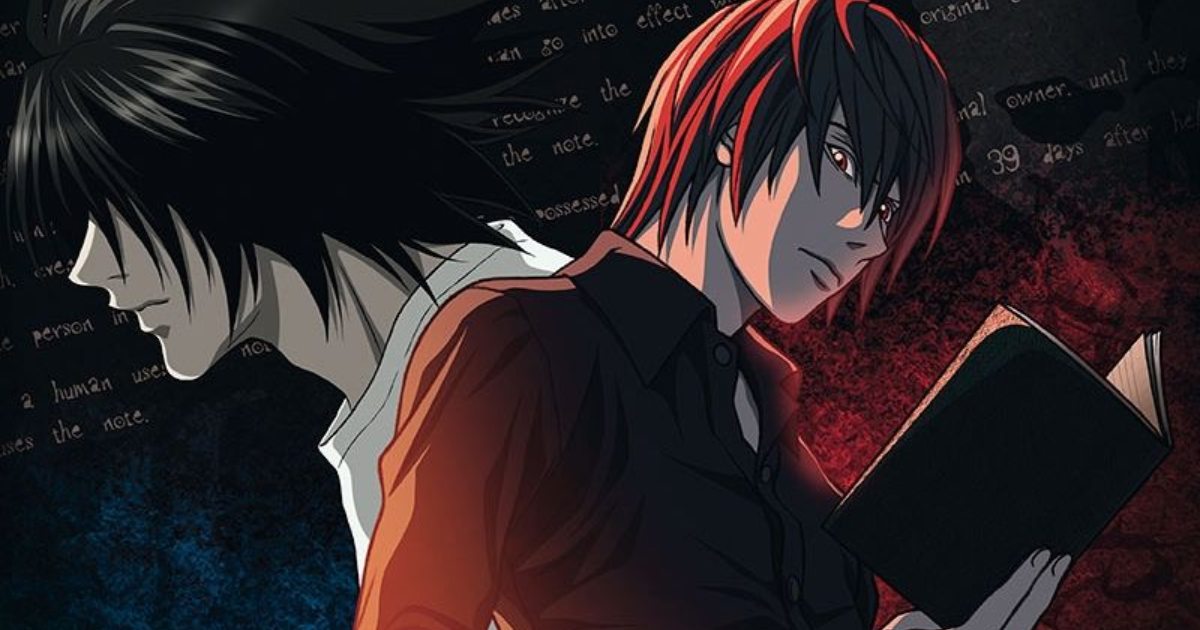
Anime vs manga: Which should you choose?
Choose the anime if you want a fast, cinematic thriller experience; choose the manga if you want maximum clarity and pacing control. Both are valid, and your best option is the one that keeps you consistently engaged.
Availability can vary by region, so the “best” choice is often the format you can access and finish comfortably.
Why the anime works well for beginners
The anime amplifies tension through music, timing, and voice performance. Strategic scenes feel urgent, which makes it easier for first-time viewers to stay hooked even during logic-heavy sequences.
Why the manga can feel sharper
The manga lets you slow down, re-check rules, and reread key lines instantly. In a story where details matter, that control can make the experience smoother and more satisfying for analytical readers.
A simple hybrid approach
If you want the easiest path: start with the anime for momentum, then read the manga afterward to catch nuances. This keeps your first run exciting and your second run deeper.
FAQs about is Death Note good
If you’re still deciding whether Death Note is worth your time, these quick FAQs cover the most common concerns new viewers search for.
Use them to get clear answers fast without spoilers.
Is Death Note good for someone who has never watched anime?
Yes, its premise is easy to grasp and the tension plays like a mainstream thriller. It’s a common gateway title because you can follow the core conflict without any anime background.
Is Death Note good if I prefer action anime?
It can be, but the “battles” are mostly mental—plans, traps, and pressure rather than constant fights. If you like strategy-driven suspense, it will likely work for you.
Is Death Note good all the way through?
Mostly yes, though the pacing and structure shift later as the conflict evolves. If you expect the story to change shape, it remains engaging.
Is Death Note good in dub, or should I watch subbed?
Both are fine: subs keep the original performances, while dubs can make fast dialogue easier to track. Choose the version that helps you follow the logic without rewinding.
Is Death Note good as a manga compared to the anime?
Yes, and many prefer the manga because pacing control helps in rule-heavy scenes. It’s especially good if you like rereading key details to confirm the strategy.
Is Death Note good for younger teens?
It depends on maturity because the intensity is psychological and ethically dark. A safe approach is previewing a few episodes and deciding based on comfort level.
Is Death Note good if I dislike “edgy” stories?
You may still like it if you dislike “edgy” for being shallow, because the darkness supports themes about power and control. If you generally avoid tense, morally uncomfortable stories, it may not be a fit.
Death Note is good for viewers who want a smart, tense psychological thriller with constant mind games and moral conflict. If you prefer light comfort viewing or action-first anime, it may not be your best pick.
For more spoiler-free guides, character explainers, and next-watch recommendations on how does Death Note end, explore related Death Note articles on KunManga.
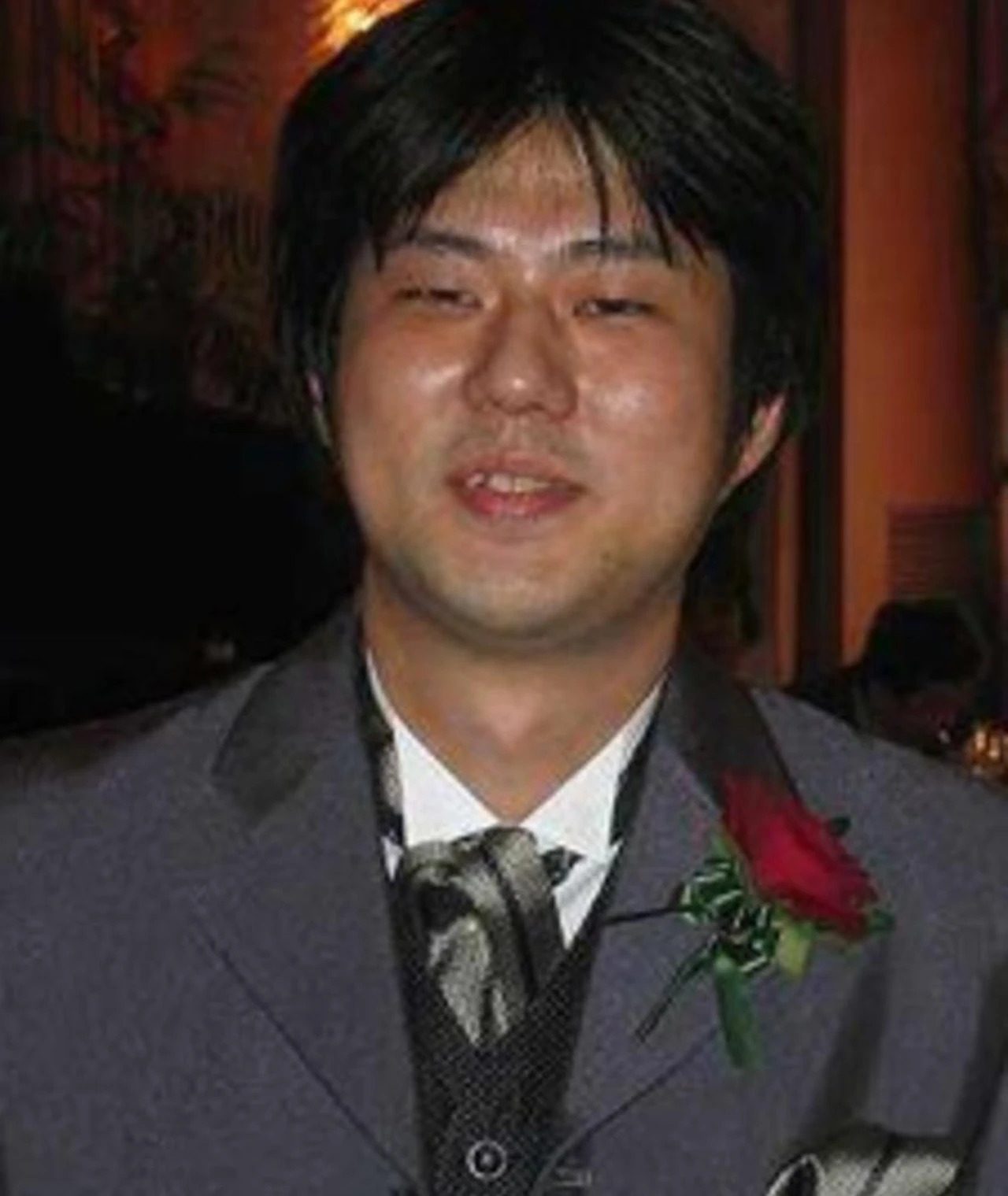
Eiichiro Oda is the creator of the legendary manga series One Piece, one of the most popular comic books in the world. Born in 1975 in Japan, he is known for his ability to build vast worlds, emotional characters and inspiring stories about dreams, friendship and freedom.