
Misa becomes the Second Kira, sacrifices everything for Light, survives the climax, and is strongly implied to die by suicide after his fall, making her arc a tragic warning about obsession.
Misa matters because she becomes the Second Kira and gives Light powerful advantages, but her loyalty makes her easy to use.
After Light falls, the story implies her tragic end, yet fans argue because the anime hints it visually while the manga is more subtle.
Read the full article below on What happens to Misa in Death Note on KunManga.
What happens to Misa in Death Note?
Misa becomes the Second Kira, sacrifices repeatedly to protect and support Light, survives the main showdown, and then the story strongly implies she dies by suicide afterward, with the anime making that implication clearer than the manga.
She is not executed by the task force, and she is not shown building a stable “new life” after Kira’s fall either.
Her storyline is written as a cautionary tragedy about obsession, manipulation, and what happens when someone ties their entire identity to another person’s power.
A quick recap that fits most reader intent:
- Misa rises quickly as a powerful Kira ally because she is fearless and willing to pay extreme costs.
- Light uses her loyalty strategically, offering just enough attention to keep her attached.
- After Light’s downfall, Misa’s emotional anchor disappears, and the narrative signals her life ends soon after.
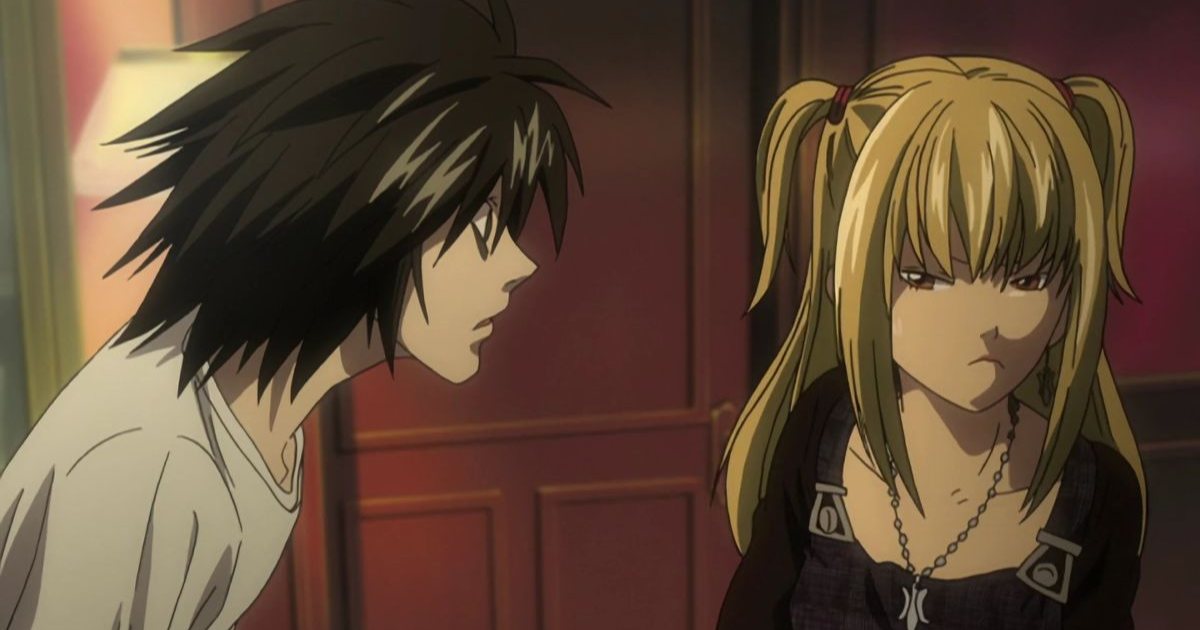
Misa’s role as the Second Kira and why she matters
Misa is not a side character who drifts through the plot. She changes the entire power balance because she brings advantages Light cannot safely obtain on his own.
She is also the character who most clearly shows the personal, human cost of the Death Note.
Misa becomes essential for three reasons:
- She is willing to act publicly and recklessly, drawing attention away from Light.
- She accepts dangerous sacrifices in exchange for power.
- She provides Light with cover, leverage, and a controllable partner.
That combination makes her both highly effective and highly vulnerable. Many fans describe her as “useful but disposable” in Light’s strategy, which is exactly why her outcome hits so hard.
Here is what Misa’s presence adds to the story in practical terms:
- Increased stakes for the investigation because there can be more than one Kira.
- A more chaotic information battlefield because Misa acts emotionally, not logically.
- A clear example of how Kira’s world destroys people even when they believe they are choosing it.
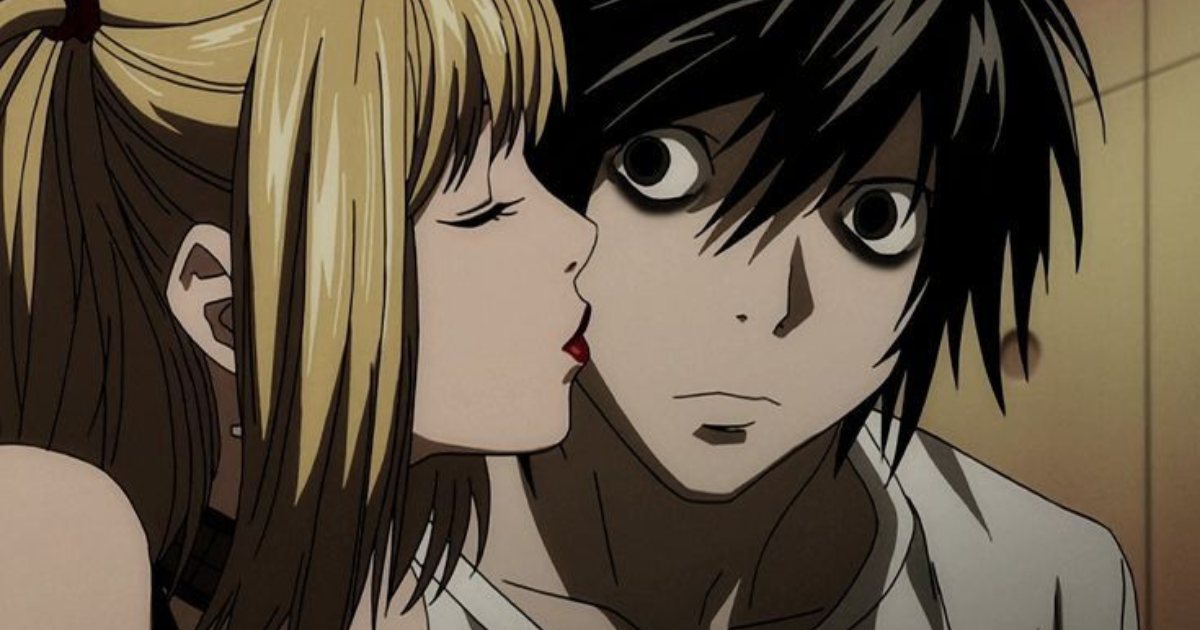
The biggest sacrifices Misa makes throughout Death Note
When readers ask What happens to Misa in Death Note?, they are often also asking why her ending feels inevitable. The answer is that her sacrifices are not one time decisions. They are a pattern.
Misa repeatedly trades future stability for short term closeness and usefulness. Over time, that becomes the foundation of her identity, and it leaves her with very little to rebuild once the Kira era ends.
Key sacrifices and risks she accepts include:
- Putting herself in the direct line of investigation pressure.
- Allowing her life to be structured around Light’s plans.
- Making extreme deals for power that clearly shorten her lifespan.
- Accepting memory manipulation, loss of autonomy, and emotional exploitation.
From a storytelling standpoint, this is deliberate foreshadowing. Death Note shows you that Misa’s choices consistently prioritize devotion over self preservation, so the ending feels like the final step of a long slope rather than a sudden twist.
What happens to Misa after Light’s downfall
This is the part most people mean when they search What happens to Misa in Death Note?: does she live, does she die, and how clearly is it shown.
The key point is that Misa is not portrayed as a character who “moves on” in any healthy or stable way after Light’s defeat. The narrative treats Light’s end as the collapse of the emotional structure Misa built her entire life around.
Anime version: Strongly implied death
The anime does not provide a long explanation, but it uses clear visual language to imply Misa’s death. The tone, framing, and final imagery are widely understood by viewers as suggesting she takes her own life after Kira’s era ends.
This approach matches the anime’s style, which often communicates outcomes through symbolism rather than explicit dialogue. It can feel subtle if you are not watching closely, but it is not meant to be “open ended” in a hopeful way.
Manga version: Less direct on page, still tragic
The manga is generally less visually explicit in its final presentation of Misa’s fate compared to the anime’s closing imagery.
Many readers finish the manga with the understanding that Misa’s end is tragic and imminent, even if it is not presented as a full dramatic scene on the page in the same way.
That difference in presentation is the main reason people argue online. They are not disagreeing about whether her ending is tragic. They are disagreeing about how directly the story shows it.
A safe, accurate way to frame it for readers is:
- Anime: The implication is clear and immediate.
- Manga: The implication is more subdued, but the intended tragedy remains.
Why Misa’s ending feels confusing to so many fans
Even if the story’s intent is bleak, confusion persists for predictable reasons. Many viewers encounter Death Note through clips, spoilers, and summaries that flatten the ending.
Here are the most common reasons people misunderstand Misa’s fate:
- They remember Misa surviving the main climax and assume that means she survives the story.
- They miss the anime’s final implication because it is visual and brief.
- They read conflicting comments where “confirmed” and “implied” get mixed together.
There is also a language problem. People often use “what happens to Misa” to mean three different questions:
- What happens to her legally after the Kira case ends?
- What happens to her emotionally after losing Light?
- What happens to her physically, meaning does she die?
Death Note does not answer those three questions with equal clarity on screen, which makes debate inevitable.
FAQs
If you still wonder What happens to Misa in Death Note, the FAQs below answer the most common follow up questions in a clear, simple way.
Use them to quickly confirm her final fate and why it is often misunderstood.
What happens to Misa in Death Note in the end?
Misa survives the main climax and is not shown being arrested or executed by the task force. After Light’s downfall, the story signals that her life becomes empty and unstable.
Does Misa die in Death Note?
The anime strongly implies yes. The ending uses visual cues that most viewers interpret as her taking her own life after Kira’s era ends.
The manga is less explicit on page, which is why some readers call it “implied” rather than directly shown. Either way, the narrative points toward a tragic end for Misa after Light is gone.
Why is Misa so loyal to Light?
Misa’s loyalty comes from trauma, gratitude, and obsession. She believes Kira avenged her family, and once she identifies Light as Kira, she attaches herself to him as her life’s purpose.
Light uses this devotion strategically, giving her small emotional rewards to keep her compliant. The story uses their dynamic to show how manipulation can thrive inside attachment.
Does Misa ever stop being the Second Kira?
Temporarily, yes, during periods when she loses her Death Note memories and behaves more like her ordinary self.
But when those memories return, she resumes her role and sacrifices to support Kira again. Her “Second Kira” identity is unstable because it depends on both the notebook and her emotional dependence on Light.
Is Misa punished for her crimes?
Not in a clear legal sense on screen. Death Note does not portray a formal trial or sentencing for her. Instead, the story frames her consequence as personal and emotional.
She loses the person she built her identity around, and her implied death functions as the final tragic outcome. This is part of Death Note’s bleak worldview.
Why do anime and manga viewers disagree about Misa’s ending?
Mostly because of presentation. The anime communicates her fate through final visuals that feel unmistakable, while the manga does not stage the same kind of closing scene in the same way.
That leads to different levels of certainty in fan conversations, even though both versions point toward a tragic aftermath for Misa.
Is Misa’s ending meant to be sad or morally instructive?
Both. It is sad because Misa’s devotion consumes her future, and it is instructive because it shows what Kira’s world does to believers and bystanders.
Misa’s fate underlines that power and obsession do not only harm enemies. They also destroy the people closest to the center of the story.
What happens to Misa in Death Note? She becomes the Second Kira, sacrifices relentlessly for Light, survives the main confrontation, and is strongly implied to die by suicide after Light’s downfall, with the anime presenting that implication more clearly than the manga.
Her arc is one of Death Note’s sharpest warnings about obsession and the human cost of becoming someone else’s tool.
For more spoiler aware Death Note guides, character explainers, and ending breakdowns, including what is Death Note about, explore related articles on KunManga and keep building your reading list with confidence.
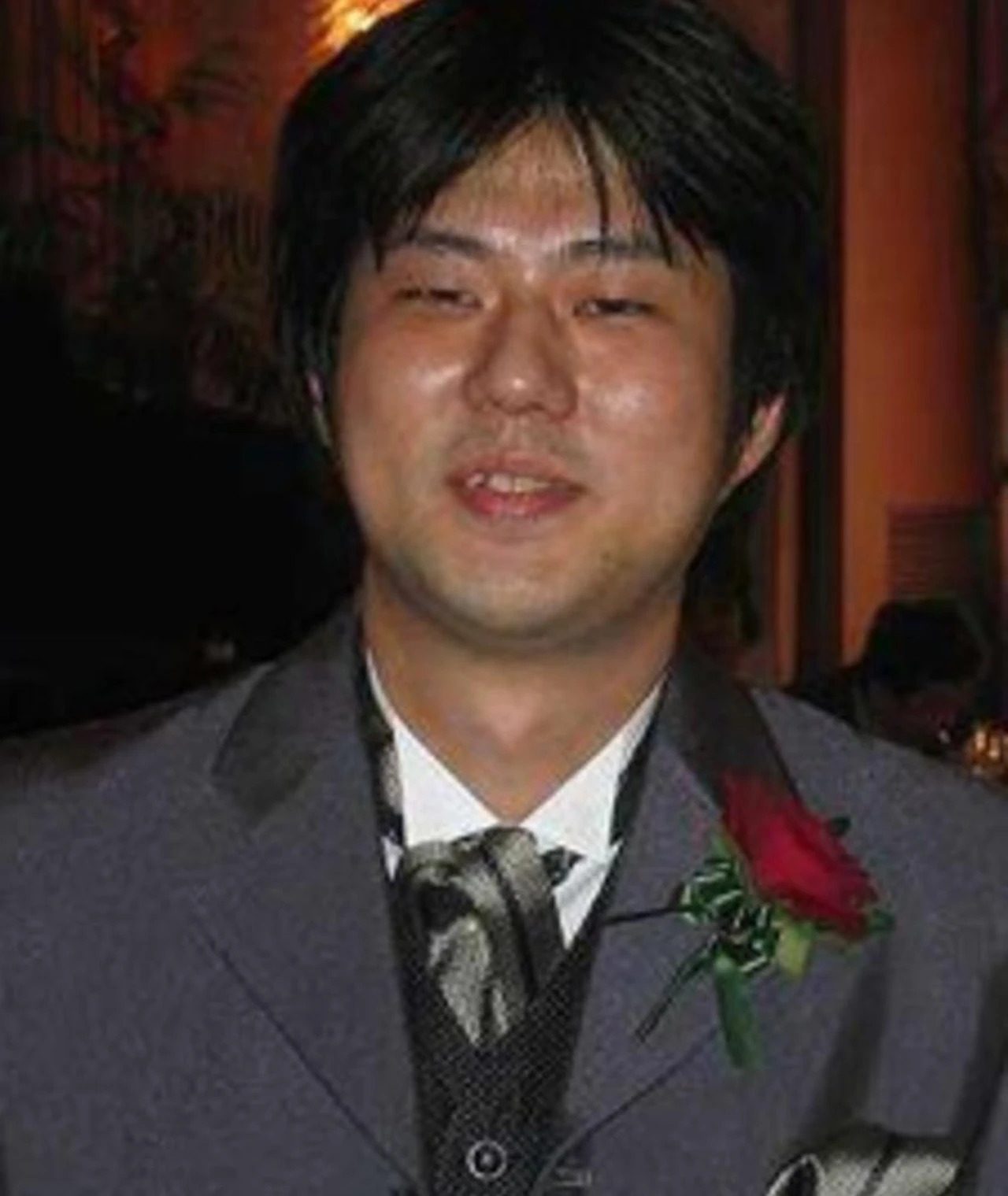
Eiichiro Oda is the creator of the legendary manga series One Piece, one of the most popular comic books in the world. Born in 1975 in Japan, he is known for his ability to build vast worlds, emotional characters and inspiring stories about dreams, friendship and freedom.