
L was killed by the Shinigami Rem, who wrote his name in the Death Note to protect Misa Amane, allowing Light Yagami (Kira) to continue his mission, despite breaking Shinigami rules.
Ryuk didn’t kill L; it was Rem, the Shinigami, who killed L to protect Misa Amane from L’s investigation, as she feared for Misa’s life.
Rem made this heartbreaking choice, breaking Shinigami rules, knowing it would allow Light Yagami (Kira) to continue his plans.
So, who killed L in Death Note? In this article, KunManga will uncover the truth behind L’s death and analyze the key moments that led to the tragic fate of one of the greatest detectives in anime.
Who killed l in Death Note?
L was killed by the Shinigami Rem, who wrote his name in the Death Note to protect Misa Amane, a key character in the series. Rem, who had developed a deep affection for Misa, realized that L was getting closer to proving Misa’s guilt as the second Kira.
To save Misa from the potential consequences of L’s investigation, Rem made the painful decision to sacrifice L. This act was not only a decision to protect Misa but also a violation of the rules for Shinigami, as they are not allowed to interfere in human affairs.
By writing L’s name in the Death Note, Rem sealed his fate and allowed Light Yagami, who was secretly Kira, to continue his mission without further hindrance.
Rem’s self-sacrificial act was crucial, as it eliminated L and his ally, Watari, allowing Light to maintain his position as Kira. Shinigami like Rem are meant to remain detached from human matters, but Rem’s emotional attachment to Misa led her to break this rule.
In the end, Rem’s decision to kill L was one of the key moments in Death Note, changing the course of the investigation and enabling Kira’s plans to move forward.
This pivotal moment in the series answers the question: Who killed L in Death Note? It was Rem, whose love and protection for Misa led to the ultimate sacrifice.
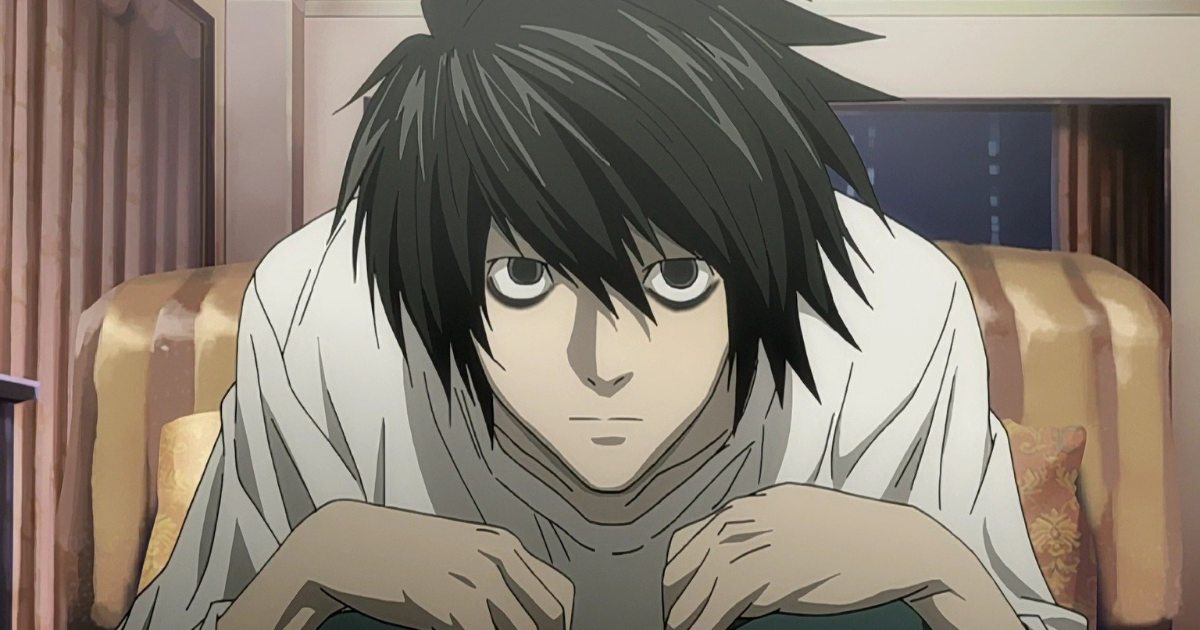
Why did Ryuk kill L?
While Who killed L in Death Note is a crucial question, understanding Why did Ryuk kill L adds another layer to the mystery.
In this section, we’ll explore the true reasons behind L’s death and the role Ryuk played in the unfolding events.
Rem’s reasoning
Rem’s decision to kill L was rooted in her desire to protect Misa Amane. Throughout the series, Rem had a deep affection for Misa, and when she saw that L was closing in on Misa, she feared that Misa’s life was in danger.
L’s suspicion of Misa, combined with the intense investigation, led Rem to take drastic measures. To ensure Misa’s safety, Rem made the heartbreaking choice to sacrifice L, knowing it would create a massive shift in the power dynamics of the story.
Shinigami’s Intervention
In the Death Note universe, the Shinigami are not typically involved in human affairs. However, Rem’s bond with Misa made her willing to break the rules.
This moment highlights the complexity of the Shinigami’s role in the world of humans. Rem’s intervention was a critical turning point, marking the first time a Shinigami directly altered the fate of a human character.
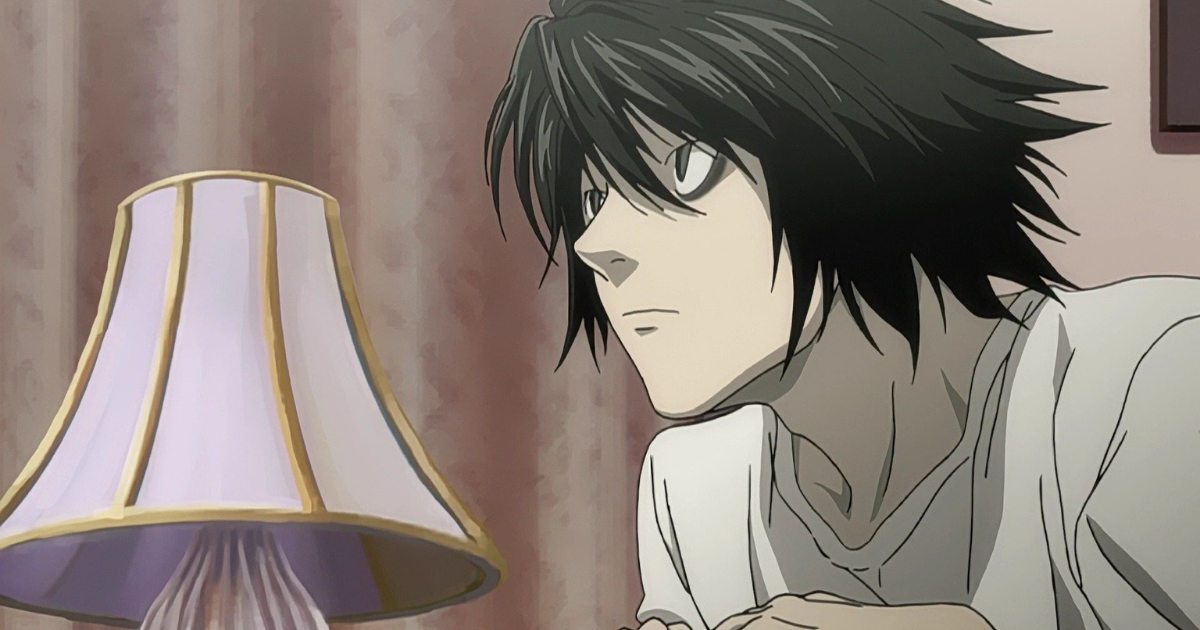
The consequences of L’s death in Death Note
L’s death is a pivotal moment in Death Note. His passing shifts the focus of the story, leading to the rise of new characters who take on the responsibility of continuing the fight against Kira.
The death of L creates a vacuum that forces the remaining characters, such as Near and Mello, to take over his role in the investigation.
Near and Mello: L’s successors
After L’s death, Near, one of L’s protégés, steps into the spotlight. Near has a more methodical, patient approach to solving the Kira case.
His calm demeanor and precise thinking make him an ideal successor to L. However, Near’s strategy contrasts with L’s, and his approach to the investigation is less hands-on but highly calculated.
In contrast to Near, Mello adopts a much more aggressive approach. Mello’s willingness to take risks and his impulsive nature make him an unpredictable counterpart in the battle against Kira.
His willingness to use unconventional methods, including kidnapping and blackmail, highlights a stark difference in style compared to both L and Near. Mello’s actions add an element of unpredictability to the ongoing investigation.
The shift in the Battle Against Kira
The power struggle after L’s death significantly changes the investigation into Kira. While L’s death removes a critical obstacle for Kira (Light Yagami), the subsequent rise of Near and Mello brings new challenges for the antagonist.
Their differing methods create a tension-filled narrative that intensifies the intellectual battle between Kira and his pursuers.
Despite the loss of L, the investigation continues, and the story becomes even more complex as it explores themes of justice, morality, and sacrifice.
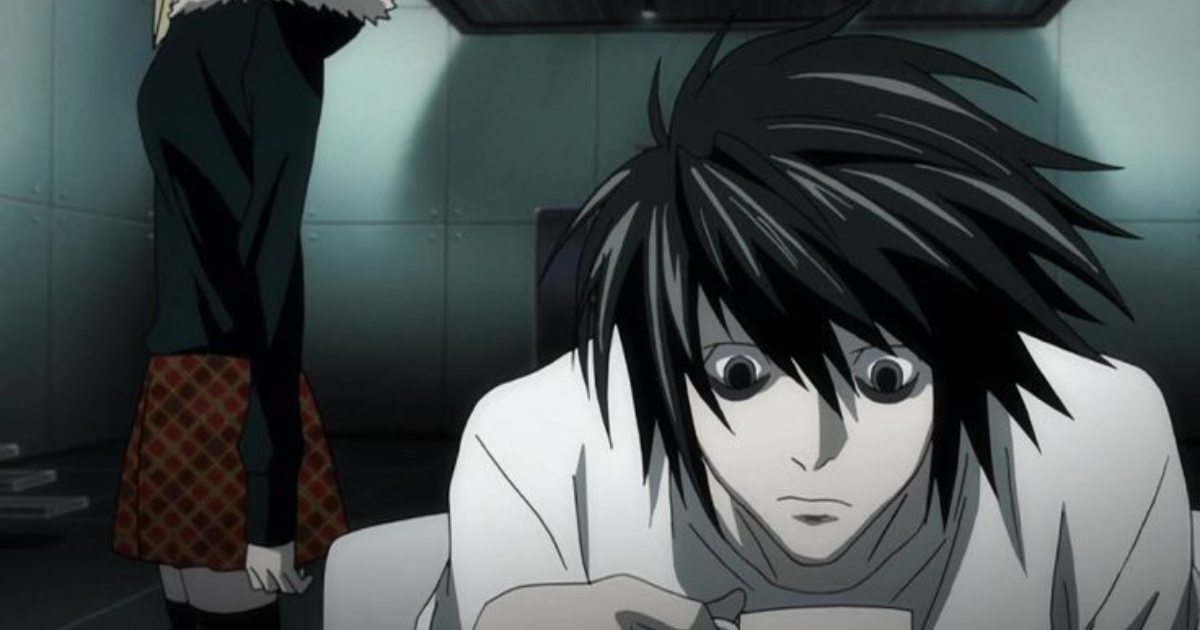
Why did L have to die? The deeper meaning behind his death
L’s death is more than just a plot twist. It represents deeper philosophical themes related to justice, sacrifice, and the consequences of unchecked power. L, as a symbol of justice, was always opposed to Kira’s ideals of absolute power.
However, how does L die in Death Note highlights the vulnerability of even the most brilliant individuals when faced with overwhelming force.
The battle between Justice and Power
L’s death underscores the ongoing conflict between justice (represented by L) and absolute power (represented by Kira). L’s death shows how power can overpower justice when unchecked.
It raises important questions about what happens when individuals assume too much control and start to impose their will on others, as Kira does throughout the series.
L’s sacrifice
L’s death is also symbolic of the ultimate sacrifice. He was willing to stand for justice, even knowing that it would likely lead to his demise. His sacrifice makes him a martyr for the cause of justice, and his legacy lives on through the actions of Near and Mello.
L’s decision to continue his pursuit of Kira, even at the cost of his life, further emphasizes the theme of fighting for what is right, no matter the personal cost.
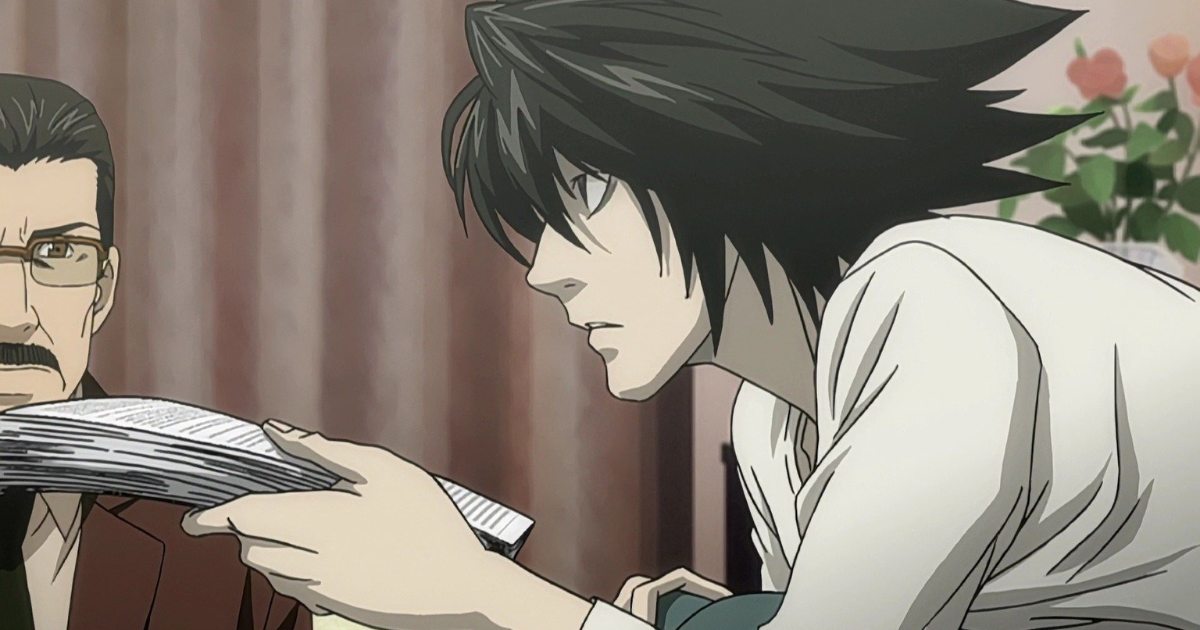
FAQs – Who killed L in Death Note?
To better understand what is Death Note about, we need to explore key events like Who killed L in Death Note. In this section, we’ll answer the pivotal question surrounding the death of L and its impact on the story.
Was L’s death planned by Kira?
No, L’s death was not planned by Kira. It was the result of Rem’s decision to intervene and protect Misa, although it did benefit Kira in the long run by eliminating L.
How did L’s death affect the storyline?
L’s death shifted the focus of the investigation to Near and Mello, two new characters who would continue the battle against Kira. It also changed the dynamics of the story, adding new challenges for both Kira and the task force.
Could L have survived?
L could have survived had Rem not intervened. However, Rem’s emotional attachment to Misa and her desire to protect her led to the fatal decision.
What was the reaction of fans to L’s death?
Fans were devastated by L’s death, as it was a shocking and unexpected turn of events. Many still consider his death one of the most memorable and heartbreaking moments in the series.
How does L’s death impact the theme of justice in Death Note?
L’s death emphasizes the vulnerability of justice when facing overwhelming power. It serves as a reminder of the consequences of absolute control, as seen through the actions of Kira.
The death of L in Death Note is one of the most significant and impactful moments in the series. It changed the course of the investigation and led to a shift in the battle against Kira.
Even though L is gone, his legacy lives on through Near and Mello, and his death continues to resonate with fans as a symbol of sacrifice and justice.
The question of Who Killed L in Death Note remains a pivotal moment in the series, shaping the events that follow. For more insights into Death Note and other anime, be sure to check out more articles at KunManga.
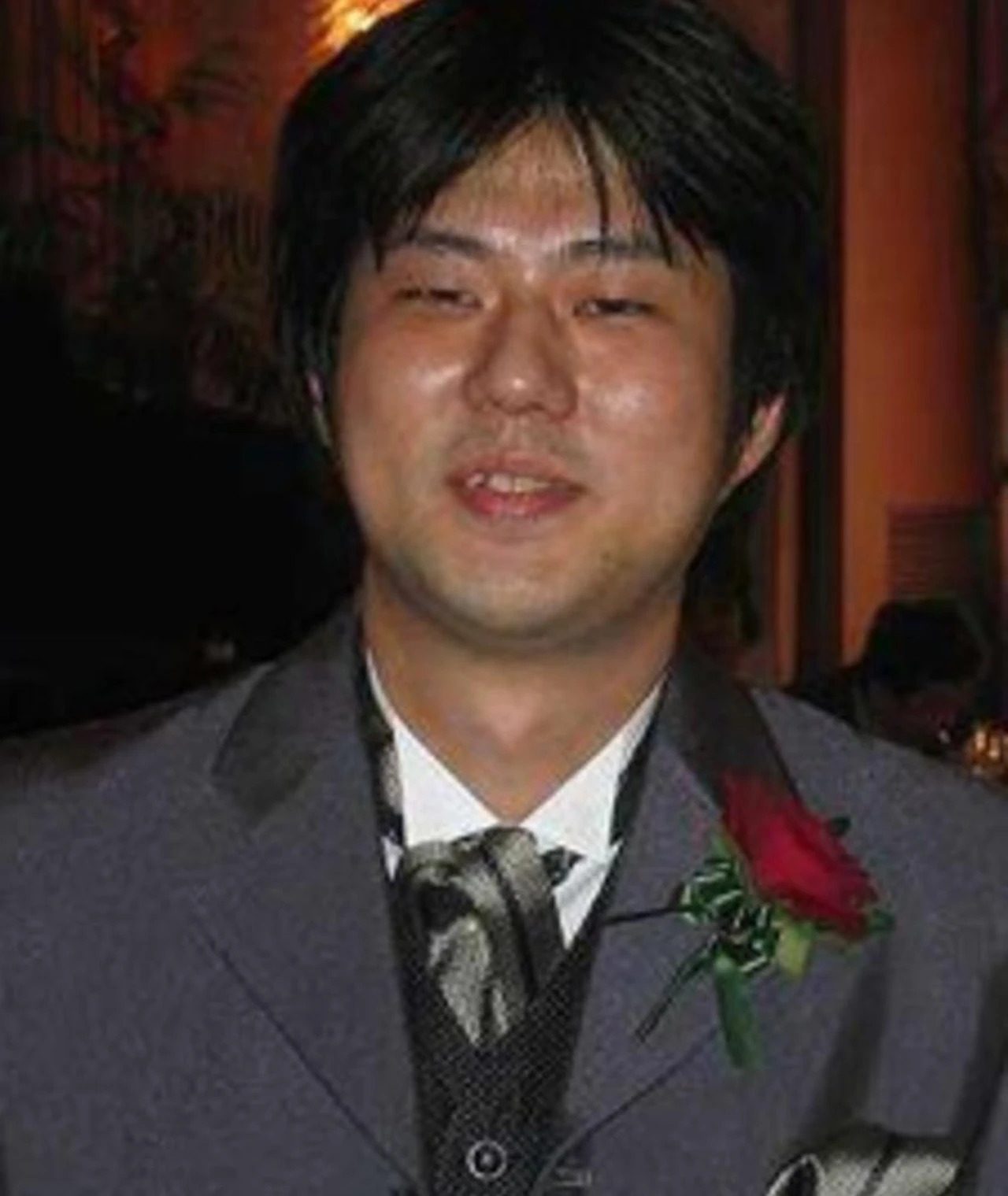
Eiichiro Oda is the creator of the legendary manga series One Piece, one of the most popular comic books in the world. Born in 1975 in Japan, he is known for his ability to build vast worlds, emotional characters and inspiring stories about dreams, friendship and freedom.