
Demon Slayer was created by Koyoharu Gotouge, a Japanese manga artist known for emotional storytelling and a distinctive art style.
The manga debuted in Weekly Shonen Jump in 2016, at a time when the magazine was seeking fresh creative voices.
Gotouge’s mix of dark themes, historical elements, and emotional storytelling quickly stood out.
From the start, Demon Slayer balanced intense action with empathy, focusing on human suffering, family bonds, and moral complexity.
Read the full article below on KunManga to learn Who made Demon Slayer and explore the story behind its creator.
Who made Demon Slayer?
Demon Slayer was created by Koyoharu Gotouge, a Japanese manga author best known for crafting emotionally driven stories with strong themes of sacrifice, family, and humanity.
Demon Slayer: Kimetsu no Yaiba first debuted in Weekly Shonen Jump in 2016 and quickly stood out thanks to Gotouge’s unique storytelling approach.
Instead of focusing only on power growth, the creator emphasized character emotion, permanent consequences, and moral complexity, which resonated deeply with readers.
Gotouge drew inspiration from traditional Japanese folklore, Taishō era history, and classic shōnen manga, blending them into a dark yet heartfelt narrative.
Their decision to keep personal details private also helped shift attention entirely toward the story itself, allowing Demon Slayer to be judged purely on its narrative quality and emotional impact.
Ultimately, Demon Slayer’s global success is closely tied to Koyoharu Gotouge’s clear creative vision and disciplined storytelling, which laid the foundation for both the manga’s popularity and the anime’s worldwide acclaim.
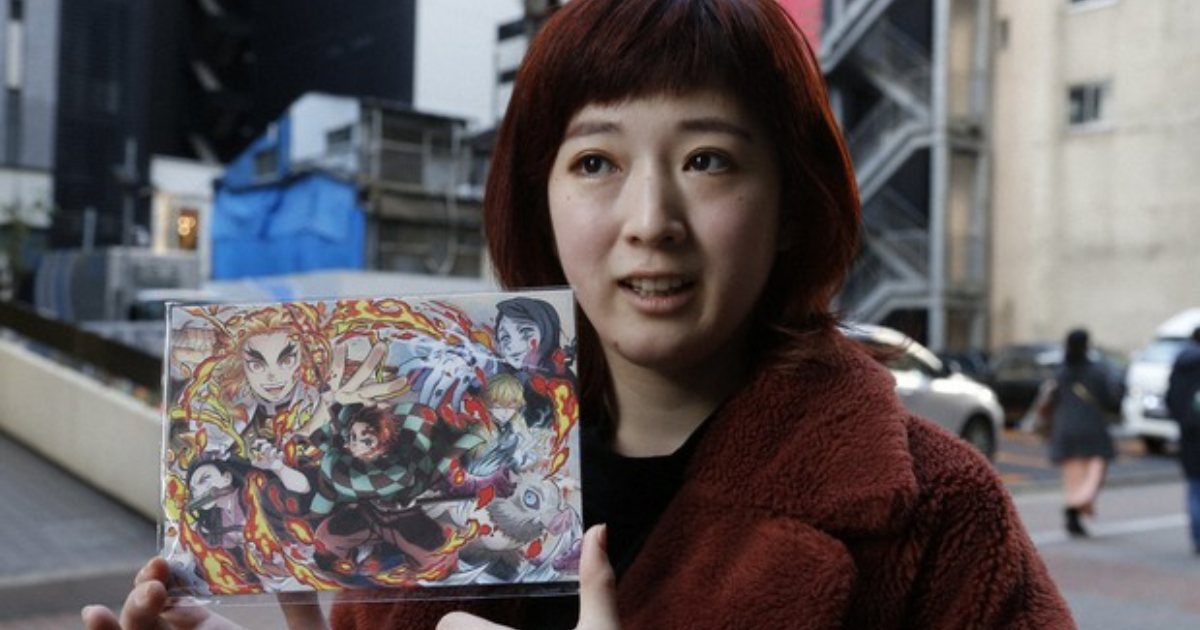
Inspirations behind Demon Slayer’s creation
Understanding who made Demon Slayer also requires understanding what inspired it. The series draws from multiple cultural and literary influences.
Traditional Japanese culture and folklore
Demon Slayer is deeply rooted in Japanese history and mythology. The Taishō era setting provides a transitional period between tradition and modernity, reflecting the story’s themes of change and survival.
Key inspirations include:
- Japanese yokai and demon folklore
- Samurai ethics and swordsmanship
- Historical clothing, architecture, and social norms
These elements give Demon Slayer a strong cultural identity that distinguishes it from generic fantasy series.
Classic Shōnen manga influence
Gotouge was influenced by earlier shōnen works known for emotional depth rather than endless power escalation.
Instead of focusing solely on strength, Demon Slayer emphasizes resolve, teamwork, and sacrifice.
This approach helped the series appeal to a wider audience, including readers who typically avoid battle heavy manga.
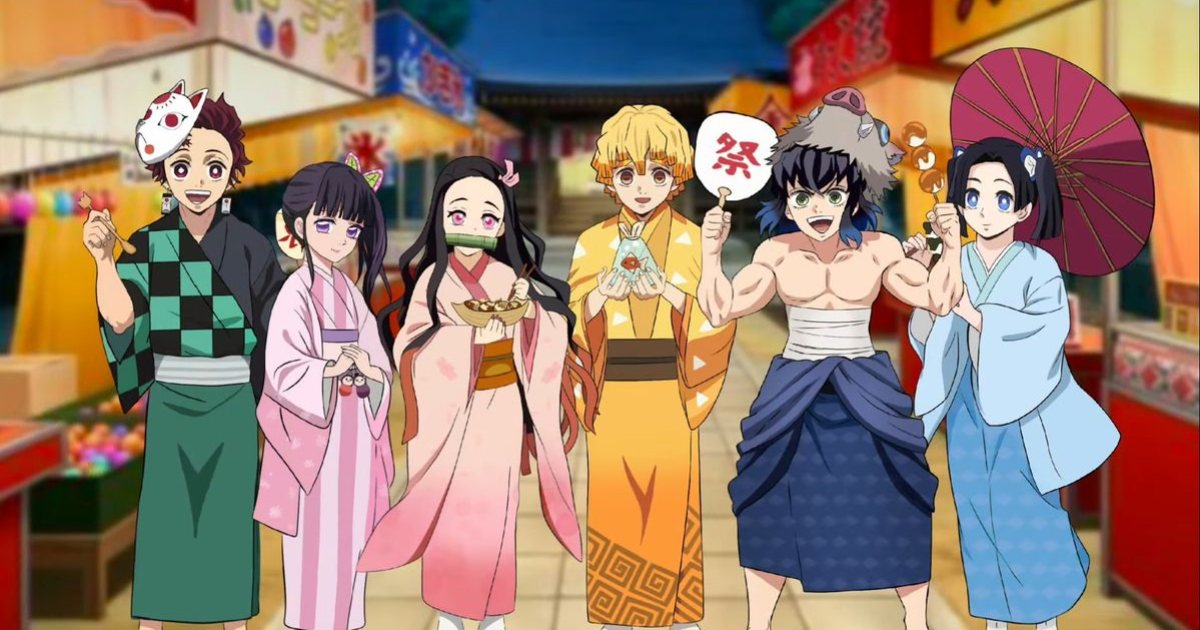
How Demon Slayer became a global success?
While who made Demon Slayer focuses on the creator, the series’ success also came from timing and adaptation. The anime adaptation by ufotable played a crucial role.
The studio’s high quality animation:
- Elevated fight choreography
- Enhanced emotional scenes
- Brought cinematic polish to the story
Once the anime aired, Demon Slayer’s popularity surged globally. Manga sales skyrocketed, and the franchise became a cultural phenomenon.
However, fans consistently note that without Gotouge’s strong narrative foundation, the adaptation alone would not have succeeded. The emotional core was already present in the manga.
Why Demon Slayer feels different from other shōnen series?
A key reason people continue asking who made Demon Slayer is because the series feels distinct within its genre.
Demon Slayer stands out because:
- Major characters face permanent consequences
- Death is treated with gravity
- Villains are given tragic backstories
Instead of endless arcs, the story moves decisively toward its conclusion. Gotouge chose to end the series at its peak rather than extend it artificially, a decision widely respected by fans.
This storytelling discipline reinforces the creator’s reputation for integrity and artistic control.
Community and fan perspectives on the creator
Fans often praise Gotouge for their sincerity and restraint. Online discussions highlight how Demon Slayer avoids common pitfalls such as excessive filler or inconsistent power scaling.
Common fan observations include:
- The story respects reader emotions
- Characters grow realistically
- The ending feels earned
FAQs about who made Demon Slayer
Before moving into the FAQs about who made Demon Slayer, this section answers common questions fans often have about the creator and the origins of the series.
These answers help clarify key details surrounding who made Demon Slayer and how the manga came to life.
Is Koyoharu Gotouge male or female?
Gotouge has not publicly confirmed their gender, choosing to keep personal details private.
When did Demon Slayer first release?
The manga debuted in 2016 in Weekly Shonen Jump.
Did Demon Slayer end early?
The series ended in 2020 by the creator’s choice, maintaining story quality and narrative focus.
Was Demon Slayer Gotouge’s first manga?
No. Gotouge published several short works before Demon Slayer.
Why is Demon Slayer so popular worldwide?
Its success comes from emotional depth, relatable characters, cultural authenticity, and a high quality anime adaptation.
Will Koyoharu Gotouge create another manga?
As of now, no official long term serialization has been announced, but fans remain hopeful.
So, who made Demon Slayer is more than a factual question. It is an entry point into understanding how a single creator’s vision can shape an entire generation of anime and manga fans.
Koyoharu Gotouge’s dedication to emotional honesty, cultural roots, and narrative discipline transformed Demon Slayer into a global phenomenon.
For more creator profiles, manga history, and in depth anime analysis including discussions on who is the strongest Demon Slayer, explore additional content on KunManga and continue discovering the stories behind your favorite series.

David Laid is part of the KunManga editorial team, focusing on curating fast-moving comic trends and presenting them in a clear, reader-first format. His work prioritizes up-to-date releases, genre discovery, and helping readers quickly decide what to read next across Manga, Manhwa, and Manhua.