
Death Note was written by Tsugumi Ohba, who is known for his captivating storytelling and deep exploration of moral dilemmas.
Death Note debuted as a manga in 2003 and became an instant success due to its unique concept of a high school student gaining the power to kill with a supernatural notebook.
Written by Tsugumi Ohba and illustrated by Takeshi Obata, the series has had a lasting impact on manga and anime culture, influencing countless works with its exploration of morality, justice, and complex characters.
To learn more about who wrote Death Note and dive into the fascinating story behind this iconic series, check out the full article below on KunManga!
Who wrote Death Note?
Death Note was written by Tsugumi Ohba, a pseudonymous Japanese writer who gained fame for creating one of the most successful manga series ever.
Ohba collaborated with artist Takeshi Obata to bring the dark world of Death Note to life.
Ohba is known for his storytelling abilities and for tackling complex themes such as morality, justice, and the consequences of power, all of which are central to the Death Note plot.
His real identity remains a mystery. Ohba prefers to keep a low profile, and little is known about his personal life, which adds an aura of intrigue to his work. D
espite this, he is recognized for his talent in creating compelling plots, deep character development, and building a narrative that explores the ethical dilemmas of its characters.
Ohba’s writing is often praised for its psychological depth, particularly in how it explores the internal conflicts of characters like Light Yagami and L, the main protagonists of Death Note.
His storytelling style is known for its careful pacing and ability to create intense moments of suspense, making Death Note one of the most thrilling manga series ever written.
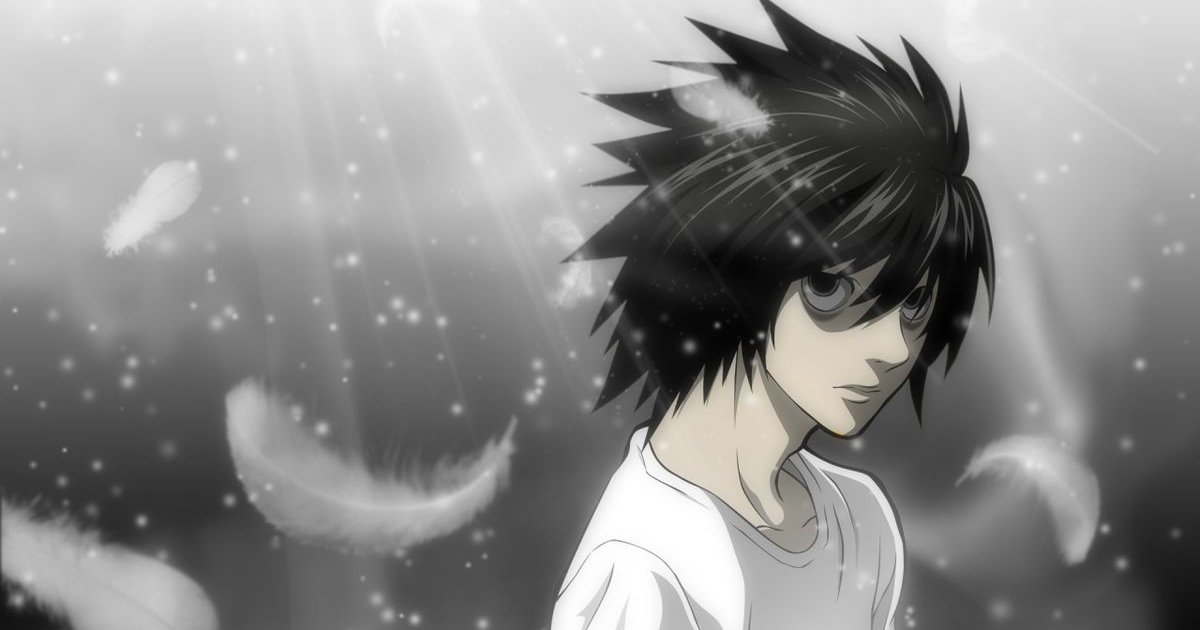
The story behind Death Note’s creation
Death Note first appeared as a serialized manga in Shueisha’s Weekly Shōnen Jump in December 2003 and ran until May 2006.
It quickly gained popularity due to its compelling narrative and unique concept; an ordinary high school student, Light Yagami, who gains the power to kill anyone whose name he writes in a supernatural notebook.
Ohba’s initial concept for Death Note was inspired by his desire to create a battle of wits between two brilliant minds; Light Yagami and the detective known as L. Ohba’s writing touches on themes of morality, justice, and the nature of good and evil.
Along with Takeshi Obata’s dynamic artwork, Death Note became an instant success, raising the question “is Death Note good“?
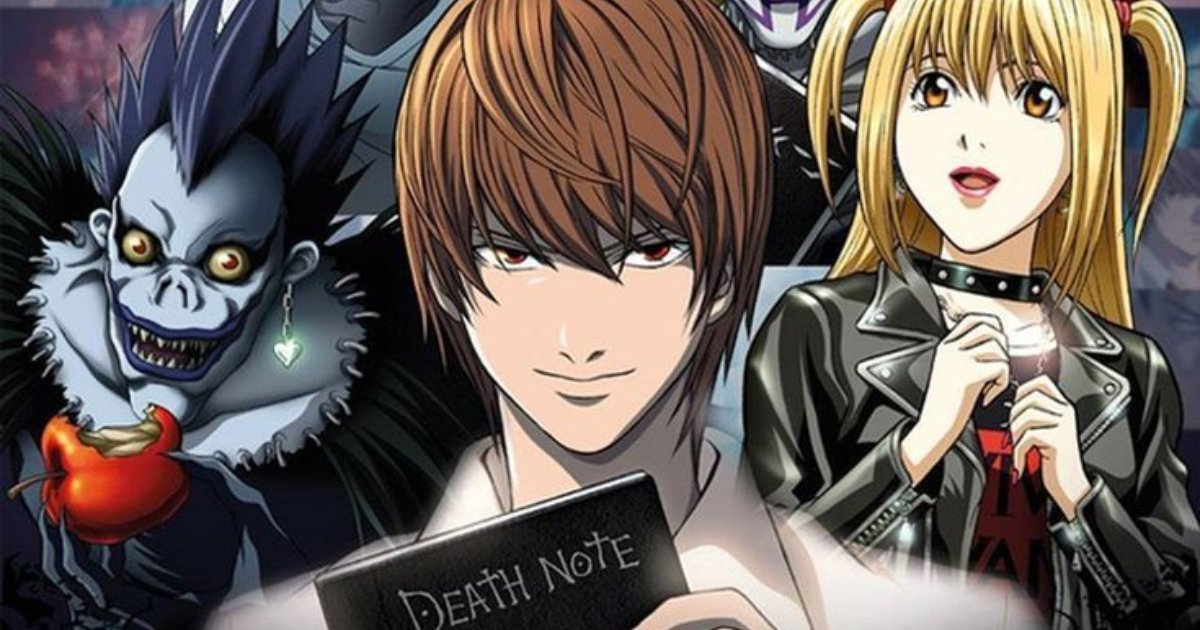
The role of Takeshi Obata: The artist behind Death Note
While Tsugumi Ohba wrote Death Note, Takeshi Obata was the artist who visually brought the story to life.
Obata’s detailed artwork complements Ohba’s writing perfectly, and his ability to create visually striking characters, such as Light Yagami and L, helped elevate the series into a visual masterpiece.
Obata’s dynamic panel layouts and expressive character designs have earned him critical acclaim in the manga industry.
His art in Death Note brings intensity and emotional weight to the series, enhancing the dark and tense atmosphere Ohba has carefully crafted in the story.
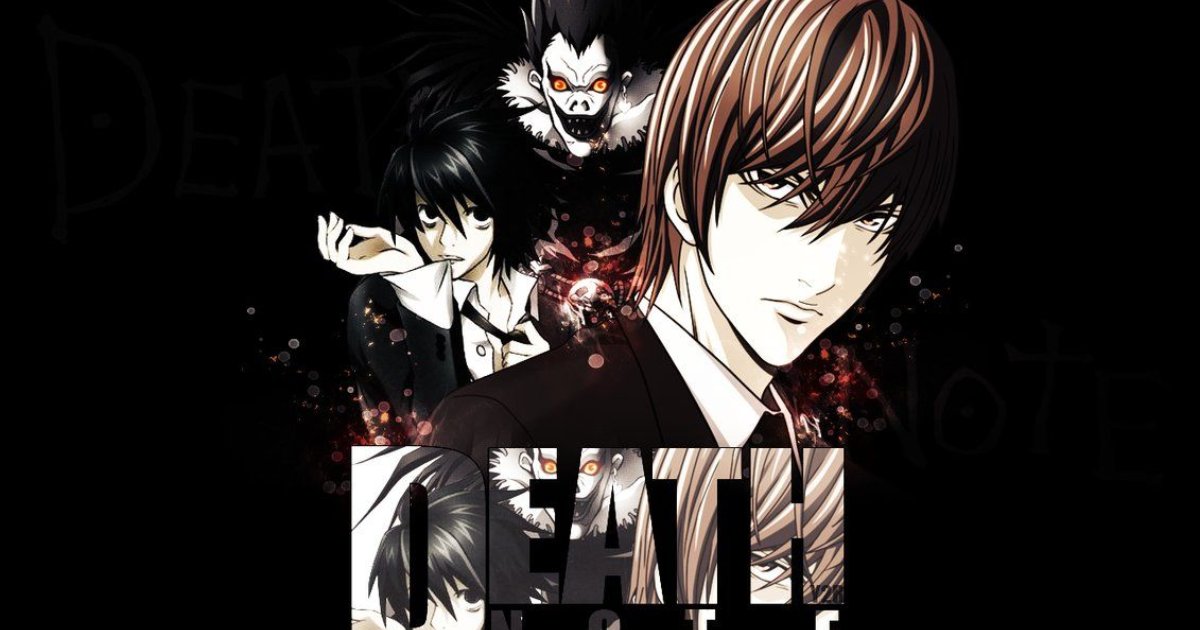
The impact of Death Note on manga and anime culture
Death Note has become an iconic title in both manga and anime culture, influencing countless other works and becoming a staple in the medium.
Since its debut, Death Note has been adapted into multiple forms of media, including an anime series, live-action films, video games, and a musical.
Its legacy has continued to influence the manga and anime world long after its conclusion, solidifying its status as one of the greatest and most thought-provoking stories ever told in the genre.
Ohba and Obata’s work has had a significant impact on storytelling in manga, especially within the thriller and psychological genres.
The series’ complex characters and moral questions continue to resonate with audiences worldwide.
FAQs about Death Note and its creators
Curious about Who wrote Death Note and other details about the series and its creators? Check out our FAQs to learn more about Tsugumi Ohba and the making of this iconic manga.
What inspired Tsugumi Ohba to write Death Note?
Ohba was inspired by the idea of a battle of wits between two brilliant minds, Light Yagami and L, while exploring complex themes of justice and morality.
Who is the artist behind Death Note?
The artist behind Death Note is Takeshi Obata, whose dynamic and detailed artwork perfectly complements Ohba’s writing.
When was Death Note serialized?
Death Note was serialized in Shueisha’s Weekly Shōnen Jump from December 2003 to May 2006, running for a total of 205 chapters.
Why did Tsugumi Ohba use a pseudonym?
Tsugumi Ohba has kept his real identity a secret and prefers to remain anonymous, adding to the mystique surrounding his work.
Has Tsugumi Ohba written any other works?
Yes, Tsugumi Ohba has written several other successful manga series, including Bakuman and Platinum End, which also feature intricate plots and deep character exploration.
What is the significance of Death Note in anime and manga?
Death Note is considered one of the most influential manga and anime series, known for its deep philosophical themes, psychological depth, and its impact on storytelling within the genre.
In conclusion, Death Note was written by Tsugumi Ohba, with artwork by Takeshi Obata, creating a masterpiece that continues to captivate audiences worldwide.
Ohba’s compelling storytelling and Obata’s stunning illustrations have left a lasting impact on the manga and anime world.
To explore more about Who wrote Death Note and dive into the full story, check out the manga on KunManga!

David Laid is part of the KunManga editorial team, focusing on curating fast-moving comic trends and presenting them in a clear, reader-first format. His work prioritizes up-to-date releases, genre discovery, and helping readers quickly decide what to read next across Manga, Manhwa, and Manhua.